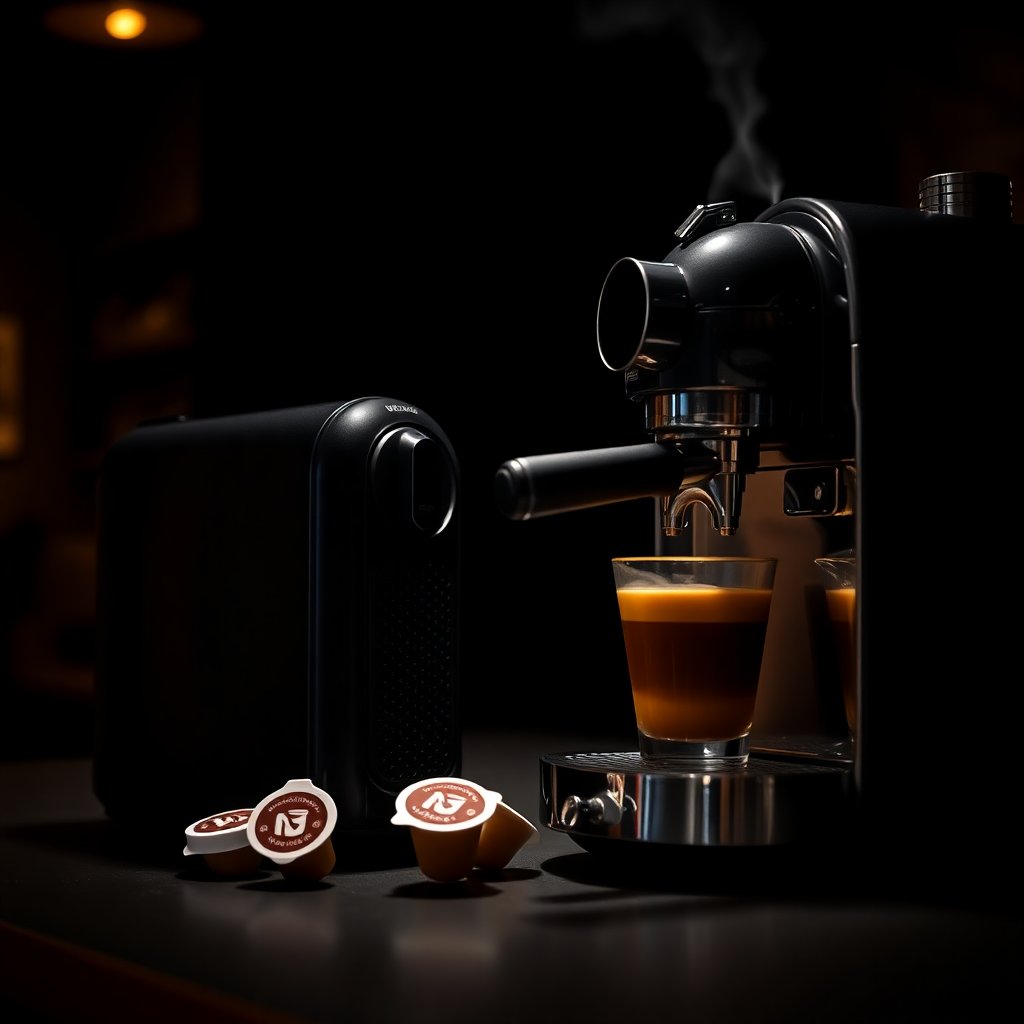
The Nespresso Exit Plan: How to Upgrade from Pods to Real Espresso
Nespresso is genuinely good at what it does. It produces consistent, convenient espresso-style coffee from sealed capsules with zero skill and zero cleanup. For millions of people, that's the right product.
But if you've been using a Nespresso machine for a while and found yourself thinking "is this actually espresso?" — you're asking the right question. The answer is: sort of, but not quite.
Real espresso made from freshly ground coffee is meaningfully different from pod espresso. The flavor complexity, the crema quality, the range of what you can do with it — none of it is fully replicable in a pod format. Here's how to make the switch.
What Nespresso Does Well (And Why People Stay)
Before making this sound like a simple upgrade, be honest about what Nespresso offers:
Consistency: Every Nespresso shot from the same capsule tastes the same. Always. There's no dialing in, no variables to manage.
Convenience: 30-second heat-up, 45-second drink, capsule ejected automatically. Total time: under 2 minutes.
No skill required: The machine does everything. Zero technique needed.
Variety: Nespresso's capsule lineup includes dozens of flavor profiles, roast levels, and intensities.
Low mess: Self-contained capsules mean no grinder mess, no portafilter, no loose grounds.
When you switch to real espresso, you give up most of these things. The question is whether what you gain is worth it.
What Real Espresso Offers That Pods Can't
Full flavor complexity: Fresh coffee has hundreds of volatile aromatic compounds. Pre-ground pods stale quickly after manufacture, losing the most delicate notes. Real espresso from freshly ground beans has a depth of flavor that capsule machines simply can't match.
True crema: Nespresso produces crema through pressurized extraction — it's frothy but thin. Real espresso crema is denser, more complex, and a genuine indicator of extraction quality.
Control: Once you understand dose, yield, and grind, you can extract any coffee exactly how you want it. Light roast single-origins that would be terrible from a capsule can be extraordinary from a semi-automatic.
Cost: Nespresso capsules run $0.70–$1.10 each. Fresh specialty coffee beans for espresso average $0.30–$0.60 per shot. The bean cost is lower; the machine cost is higher upfront.
What you're missing: If you've been making $5 lattes from capsules, you're spending $150/month. A $500 machine and $50 in beans pays for itself in under four months.
What You Actually Need to Start
You do not need to spend $2,000. A real espresso setup that will blow Nespresso out of the water is achievable under $500.
The Starter Setup Under $400
Machine: Breville Bambino (~$300)
The Bambino is the right entry machine for Nespresso refugees. It heats up in 3 seconds — the same speed-to-cup convenience you're used to. It uses a real pump, real portafilter, and real pressure. The steam wand actually textures milk.
Grinder: Timemore C2 hand grinder (~$60)
You need a grinder. No way around this — pre-ground defeats the purpose of the upgrade. The Timemore C2 is a hand grinder that produces excellent espresso grind quality for $60. Yes, you grind by hand. For 18g of espresso, that's about 45 seconds of effort. Worth it.
Scale (~$15–30)
A basic kitchen scale that measures in grams. You need to weigh your dose and yield to dial in consistently.
Check espresso scales on Amazon
Total: ~$375
If Budget Allows: Add an Electric Grinder
The Timemore hand grinder is excellent but adds time. If you want the full convenience upgrade, replace it with a Baratza Encore ESP (~$170).
Total with electric grinder: ~$490.
Managing the Learning Curve
This is the part people underestimate.
Your first shots will not be as good as Nespresso. Not because your machine is worse, but because you haven't learned to use it yet. You'll pull sour shots (grind too coarse). You'll pull bitter shots (grind too fine). You'll have days where nothing goes right.
This is normal. It lasts about two weeks.
After two weeks of daily shots, most people are pulling consistently good espresso. After a month, it becomes fast and intuitive. After three months, you won't understand how you drank pods.
The Dial-In Shortcut
Start with a medium roast espresso blend from a local roaster or specialty coffee brand. Blends are more forgiving than single-origins — they're designed to taste good across a range of extraction parameters. Single-origins are beautiful but unforgiving until you know what you're doing.
Grind at the finest setting that gives you a shot time of 25-30 seconds for 18g in / 36g out. Once you're in that range, adjust to taste.
Keep the Nespresso? Or Sell It?
Honest take: keep it for the first month. Use both machines simultaneously while you learn. On mornings when you're rushed and can't deal with dialing in, the Nespresso is there.
Once you're comfortable with the Bambino — and you will be — you'll stop reaching for the pod machine. At that point, sell it.
Nespresso Vertuo and Original machines hold decent resale value. Put the cash toward better beans.
The Bottom Line
Real espresso is better than pod espresso. Not by a small margin — by a significant one, once you know how to pull it.
The barrier to entry is lower than it's ever been. The Breville Bambino at $300 is a real machine that produces real espresso. The Timemore C2 at $60 is a real grinder that produces real results.
Total investment under $400. Two weeks to learn. Morning coffee that's genuinely better than what you've been drinking.
The Nespresso exit plan is less dramatic than it sounds. It's just a small investment and a short learning curve standing between you and meaningfully better coffee.
Frequently Asked Questions
Is real espresso worth switching from Nespresso?
Yes, if you drink espresso daily and care about quality. The taste difference between a well-dialed espresso from a real machine and a Nespresso pod is significant — real espresso has genuine crema, complex aromatics, and a flavor depth that pod machines can't replicate. The tradeoff is learning curve (2–4 weeks to get consistent shots) and higher upfront cost ($300–400 for a solid entry setup).
What is the cheapest setup for real espresso at home?
The Breville Bambino (~$300) paired with the Timemore C2 hand grinder (~$60) is the most affordable complete espresso setup that produces genuinely good espresso. Total under $400. The Bambino produces real 9-bar extraction pressure; the C2 produces consistent enough grinds for espresso with acceptable effort. A step up to the Baratza Encore ESP electric grinder (~$170) improves convenience significantly.
How long does it take to learn to make espresso at home?
Most people are producing decent espresso within 1–2 weeks and good espresso within 3–4 weeks. The learning curve is mostly about dialing in (adjusting grind size until the shot extracts in 25–35 seconds with the right taste) and developing consistent technique (dose, distribution, tamp). The skills compound quickly once you understand what you're adjusting and why.
Is the grinder more important than the espresso machine?
Yes — this is the most important thing to understand before buying espresso equipment. A good grinder with a modest machine produces better results than a great machine with a bad grinder. Consistent particle size is the foundation of good extraction. If you're building a setup under $500, allocate more budget to the grinder than the machine.
What should I look for when buying a beginner espresso machine?
Look for: (1) at minimum 9 bars of extraction pressure (the standard for espresso), (2) a real portafilter (not a pressurized/pod-style basket), (3) a steam wand for milk drinks, and (4) an established brand with community support for troubleshooting. The Breville Bambino, Gaggia Classic Pro, and Rancilio Silvia are the benchmarks at the entry level.
As an Amazon Associate we earn from qualifying purchases. This article contains affiliate links; if you buy through them we may earn a small commission at no additional cost to you.